Are 2016 Interiors Back for 2026? Designers Break Down the Nostalgic Decor Comeback


The internet has decided that 2016 is back. Not in a subtle way, either. Instagram is full of photodumps taken from our iPhone 6s. And now, inevitably, interiors have been pulled into the trend.
But design doesn’t actually move at the speed of TikTok. So, is this really a comeback, or are stylists just doing what the internet is doing?
Jo Plant, Chief Creative Officer at Pooky, the British decorative lighting brand, doesn’t think it’s random. “Interior trends are often a profound reflection of wider cultural trends,” she explains, “so it is unsurprising that people are looking back to 2016 for design inspiration.”
RELATED: Millennials Aren’t Moving. They’re Remodeling the Homes They Already Have
It’s not that everyone wants to recreate 2016. It’s that people want spaces that feel warmer again. And 2016, for better or worse, was not afraid of personality.
Five 2016 Interior Design Trends Coming Back in 2026

Statement Lighting
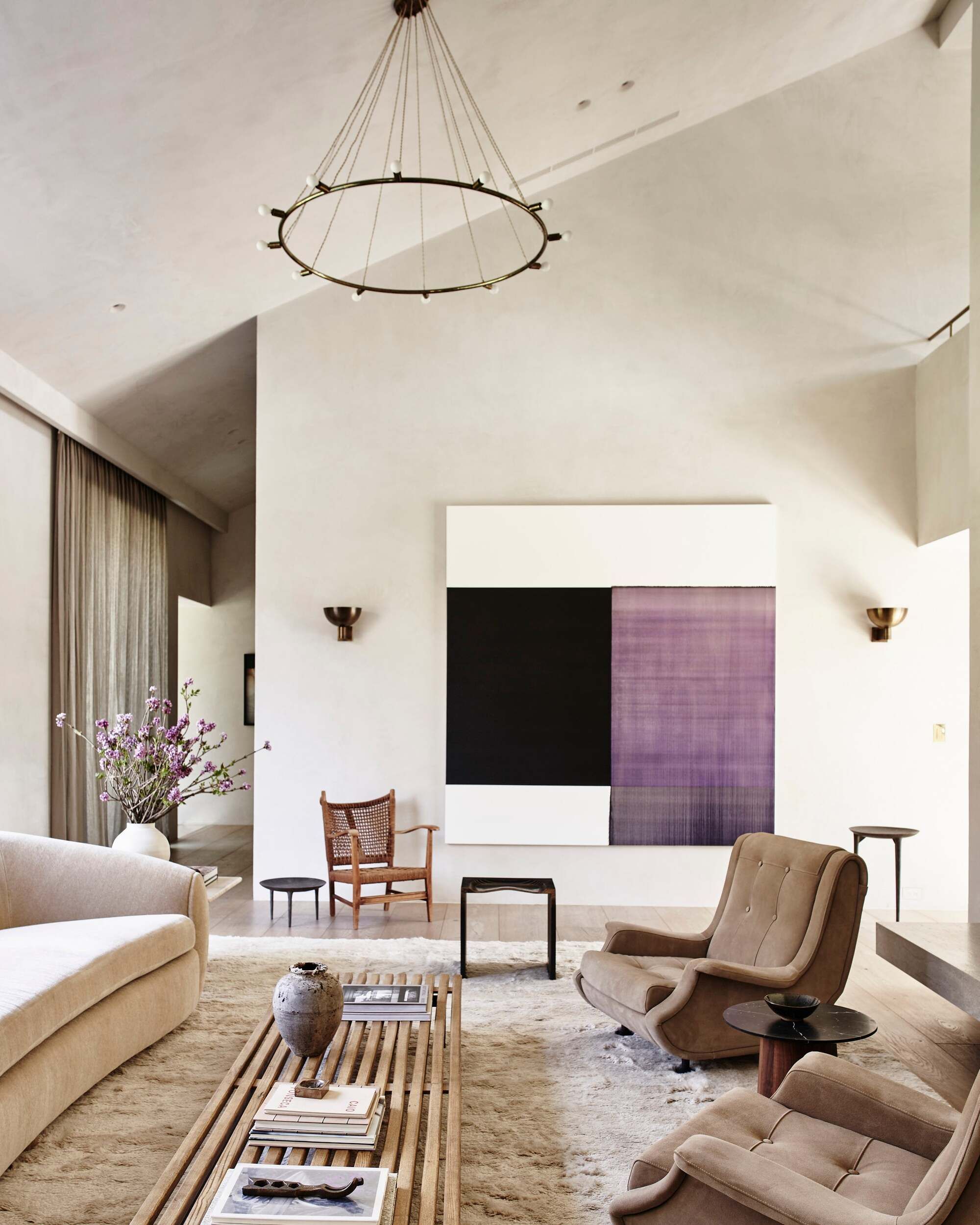
Fixtures stopped blending in 2016. Pendants got bigger. Lamps got sculptural. Lighting became one of those small upgrades that could change a room without touching anything else.
“Lighting has the power to transform a room,” Plant says. “And we’ve seen a growing appetite for maximalist designs that act as focal points rather than simply blending into the background.”
RELATED: How to Improve Circadian Rhythm at Home With Lighting, According to Experts
And honestly, that appetite never went away. It just faded away for a few years when everyone was loving beige. Now people are back to looking for statement lighting ideas again, especially in bedrooms and living rooms looking for more ambiance than overhead brightness. It’s one of the easiest ways to shift the mood of a space, and it doesn’t require a renovation.
Patterns on Patterns
Plant’s point about cultural mood shifts applies here too. When people look back to 2016, they’re not necessarily looking for the exact same chevron rug. They’re looking for visual life. Texture-driven decor. Something that feels personal.
And the living room is usually where that urge shows up first. It’s the one space that’s meant to feel lived in, not perfect. Pattern works there because it brings energy back into the room, even if it’s just a bold rug under furniture that doesn’t technically match.
RELATED: Why White Paint Doesn’t Always Create Calm at Home, According to Designers
It’s part of the broader maximalism vs. minimalism conversation that keeps cycling through design, just with different packaging.
Boho
Boho in 2016 was everywhere. Rattan chairs, layered textiles, and greenery everywhere. And we are seeing this now, but the 2026 version has different priorities now. Sustainability is a bigger part of the design conversation. Fast furniture isn’t as aspirational.

RELATED: Why Builders Are Swapping Lumber for Rice Husk Boards
Plant explains the revival is more about the collecting. About telling your story through your decor. Where you picked up the rattan chair, which flea market you went to, when your grandmother gave you those frames…the sourcing has become part of the aesthetic.
This 2026 boho style especially well in small apartments where you want softness and depth without filling the room with stuff.

Copper and rose gold had a moment in 2016. Everything was shiny. Hardware, lighting, mirrors, even the phones. Now metallic accents are back, but they’re being used more carefully.
A brass sconce here. A warm-toned mirror frame there. It’s less “look at this finish” and more “this adds warmth.” It’s the difference between trend-forward decor and timeless materials that last beyond one cycle.
RELATED: Timeless Bedroom Styles for Kids, From Nursery to Teen
Rose Quartz (Yes, Millennial Pink)
And then there’s Pantone’s color of the year, Rose Quartz, or millennial pink, which was basically unavoidable in 2016. It’s starting to show up again now, but mostly as an accent rather than an entire-room commitment.
Geometry, But Softer

Geometric prints were one of the defining visual signatures of the mid-2010s. Bold shapes, repeating patterns, clean lines.
In 2026, the geometry has softened. Curves are everywhere now. Organic shapes have replaced some of the harsher angles. Although stripes and angles are also having their moment. So yes, you might see patterns returning, but they are being paired with rounded furniture, warmer palettes, and a more calming feel.
The Bigger Difference
The mid-2010s were peak disposable decor culture. Trends that moved quickly and furniture was cheap. Now, while we may see certain trends, they come with more intention.
RELATED: 2026 Home Design Trends: Ruggable Says Cold Minimalism Is Over
According to Plant, 2026’s version of the 2016 trends are shaped by:
- Sustainable interiors
- Vintage sourcing over fast furniture
- Warmth over sterile minimalism
- Smarter lighting systems and hidden tech
- Design that supports how people actually live at home
Plant says people want homes with more warmth, texture, and personality again. If that nods to 2016, it’s less a comeback than a return to feeling.
link