Exploring digital art trends inspired by online design and technology
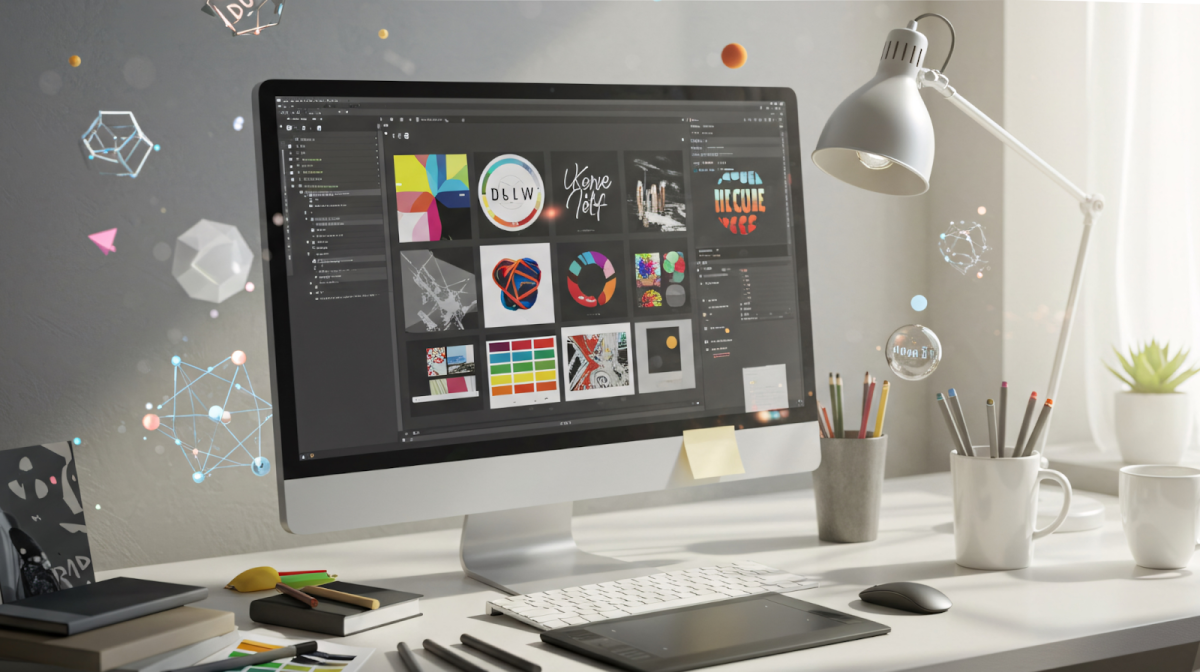
When you talk about how quickly digital art has changed, honestly, most fields can’t seem to keep up with the pace found in the online world. Artists and designers have started picking up on this—they seem to draw ideas from the glossy interfaces: those crystal-clear graphics, lively transitions, touchable icons, all the stuff you tend to notice even if you’re not into gaming.
Statista reported digital art sales reached $4.3 billion in 2023 (assuming the data holds up), with immersive and interactive works grabbing most of the attention. As entertainment gets slicker and a bit more immersive, it looks like digital artists are finding inspiration in these game hubs—they’re scanning for new approaches on color or movement, or just how to pull a viewer in.
Lately, game-driven design cues pop up everywhere: you might see them in commercial ads one minute, or in experimental digital installations the next. Maybe it says something about how innovation is kind of baked into our visual culture these days.
Immersion and the push for new experiences
Stepping into digital art lately feels…well, more immersive than it used to, which probably isn’t an accident. The growth of online technology has played some part here, at least according to artists who borrow tricks from those evolving gaming platforms. No longer is it just about basic graphics—the scene now is built on layered worlds, detailed 3D modeling, and fluid animations.
Plenty of artists experiment with VR or AR, sometimes letting viewers poke around using just a phone or a wearable device. USV.edu’s 2025 report suggested immersive 3D works are getting shown much more frequently worldwide (they said 40% more, though statistics can be slippery). There’s this whole thing with reactive light, sound that changes as you move, and even stories that branch depending on what you do. Sounds a lot like engagement strategies, if you ask me.
For artists, the influence goes beyond pure visuals. It nudges them to mix classical methods with real-time feedback or visuals driven by data—kind of messy, kind of fascinating. What comes out isn’t exactly traditional art, but something shaped by both games and the people who play them.
Technology and the evolution of visual design
Things have gotten sharper, cleaner—sometimes almost minimalist, sometimes the opposite. Ask anyone who’s been on top online platforms. Dynamic animation, shifting layouts, these kinetic interfaces—this sort of design seems to be crawling all over the digital art world.
Online environments such as online casino games routinely introduce shifting backgrounds, fluid object transitions, and instantaneous feedback to maintain user attention. Once you notice those details, you start seeing echoes in all sorts of installations, not limited to virtual galleries either.
Behance’s 2025 survey claims that interactive animation features in over 60% of new digital art projects (apparently a significant jump from three years prior). If you look around, you’ll spot elements like spinning objects or glittering piles—stuff that isn’t exclusive to art but pushes the sense of energy and anticipation. Is it functional? Sure—these visuals guide you, highlight what matters, move you along. But people seem to find it compelling as well. That fusion of precise design and deep color brings some of the best moments from digital gaming into art.
Art fusing with the leading edge of tech
So, it’s not just about the art anymore—the tech side is starting to bleed through, too. More platforms offer space for digital exhibits or spontaneous collaborations between coders and painters, and these often use technology rooted in the industry (high frame rates, smooth real-time rendering, scalable graphics—standard fare there, it seems).
Now, artists are dabbling with AI, procedural or generative tools, and even adaptive video pieces. It’s a shift, pulling directly from the ways platforms drive unpredictable outcomes. Adobe’s Express forecast for 2025 predicts interactive installations and AI-generated art could keep growing—maybe by as much as 25% annually for a few years, but forecasts always come with a grain of salt.
In practice, this means new spaces are opening up. Artists and viewers meet somewhere online, artwork changes depending on interaction, and, honestly, it’s getting harder to separate the creator from the audience. Technology isn’t just a tool; at times, it’s more like an unpredictable collaborator.
Fresh ways to collaborate—and sustainability quietly catching on
Now, this is interesting: newer art platforms are changing how people come together to make (or show off) art. Online spaces increasingly serve as experimental venues, hosting temporary digital galleries or offering interactive challenges backed for innovative design. It isn’t just artists, either.
According to a 2025 Earshot survey, maybe one in five pro digital artists has teamed up with gaming platforms just to reach new viewers. Other shifts are brewing too. For example, there’s a noticeable blend of physical and digital—a hybrid combining, say, painted canvas with a digital layer floating over it. This comes straight from those seamless interfaces we see in game setups.
Sustainability is also getting attention, with designers picking calmer, more nature-inspired colors and cutting back on the flashy, frenetic style that dominated a decade ago. It signals a slight turn away from neon overload, maybe in search of something quieter or more mindful. Altogether, it feels as if art and technology are learning to walk more closely together, pulling digital aesthetics somewhere unexpected (the path isn’t entirely clear yet).
Caution and ethics in the creative process
Here’s something people don’t discuss enough: with all this tech blending into arts and games, caution seems necessary. There’s pressure—not just to wow with visuals—but to actually think through the impact, too. Designers are starting to talk about being clearer about which tech they use, and to give context when a piece is riffing on gaming, especially styles.
Regulators (and a few industry insiders) have been calling for better digital literacy, so both artists and their audiences navigate all this change with more awareness. As art blurs right up alongside entertainment or even commerce, keeping a critical eye may be the only way to steer things in a direction that actually benefits everyone. Progress never lands exactly as you expect—so, a little responsibility might go a long way.
Categories
Tags
link