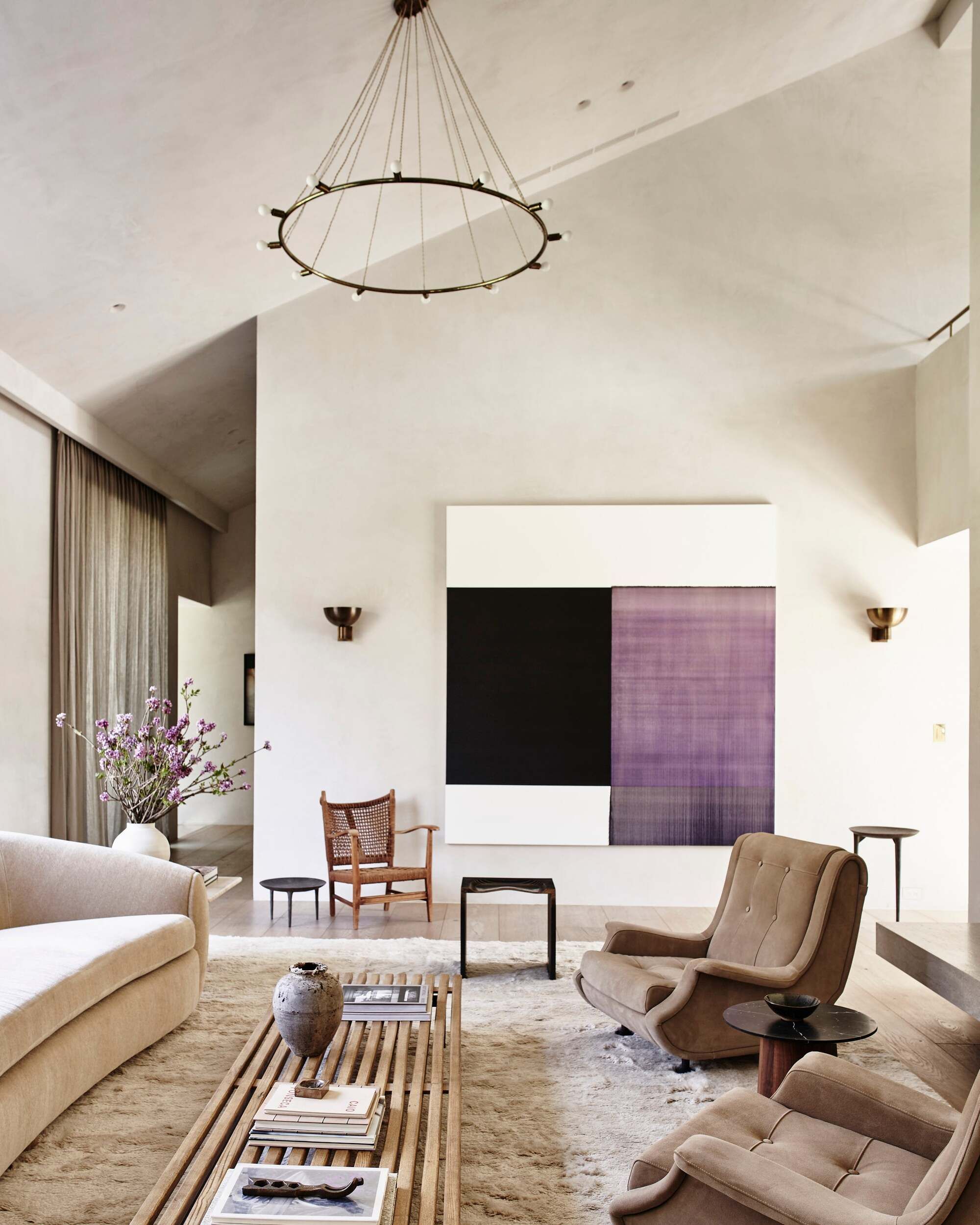
the secret, natural ingredient Ferris State’s Interior Design students use to make every space feel amazing
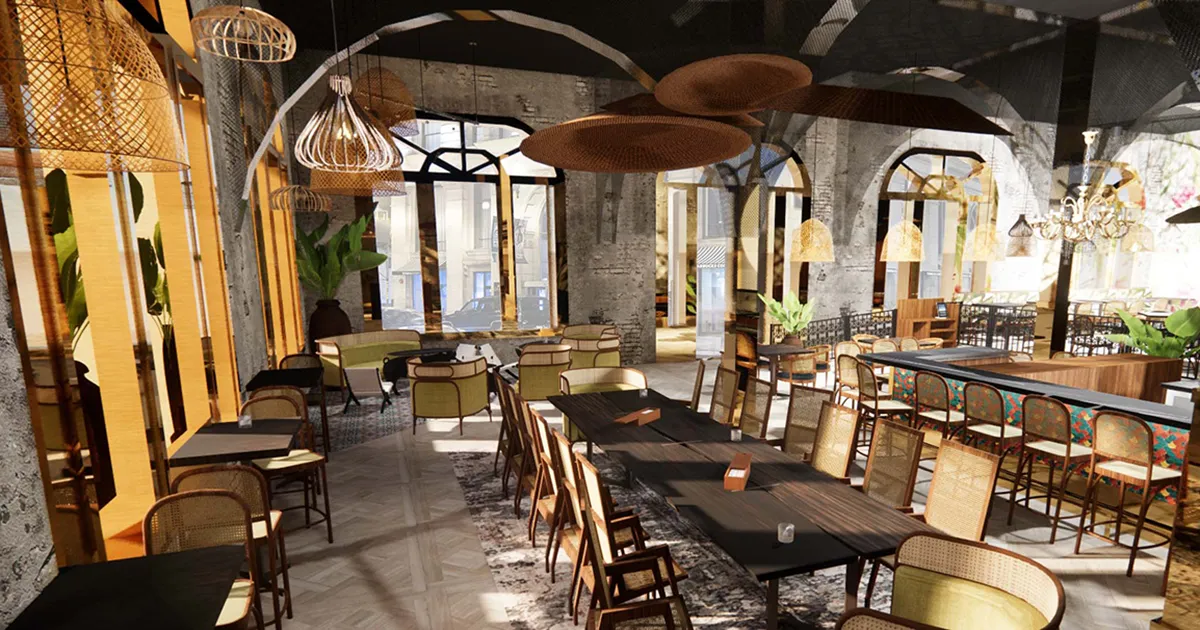
February 10, 2026
Harris
GRAND RAPIDS, Mich. —
Imagine two office spaces. One is stark white, void of decorations, with dim fluorescent
lighting and no windows. The other is flooded with natural window light, live plants,
and plenty of open space. It’s obvious which one we would naturally gravitate toward.
That’s the theory of biophilia at work.
Biophilic design is rooted in our natural connection to the outdoors. It brings elements
like sunlight, plant life, flowing water, and organic materials into built environments
to support mental clarity, wellness and comfort. Ferris State’s Kendall College of
Art and Design Interior Design students are learning to use the theory of biophilia
as a core strategy in creating thoughtful spaces.
“We expose students to the principles of biophilia so they can purposefully leverage
these tools to create human-centered, nurturing spaces that reduce stress, improve
concentration, and even lower blood pressure for the occupants,” said Mary Ellen Fritz,
Interior Design program chair and associate professor.
The term “biophilia” means a love of life and living systems. In interior design,
it translates to environments that feel more alive for the people experiencing them.
If a person spends eight hours of their day in a tiny closet of an office, they’re
going to feel the effects. A report by Human Spaces found that biophilic design can
improve productivity by 6% and creativity by up to 15%, with benefits kicking in within
just 5 to 20 minutes in vegetated environments. Humans naturally gravitate to spaces
that prioritize natural light, include views of the outdoors, use calming textures
and materials, and reflect the colors and patterns found in nature.
“A surprising thing about biophilic design is that a typical person experiencing a
space like this may not realize the deliberate intentions of the design team,” said
Fritz. “Or even the extent to which they are experiencing the positive impact but
are simply enjoying the space more and feeling a bit better than they expected to.”
Interior Design students take a hands-on approach to biophilic design. Studio courses
challenge them to create environments with intentional design choices, such as light
wells, green walls, natural wood finishes, and layout plans that encourage movement
and social connection. Each design choice is informed by research and guided by the
goal of improving how people experience the spaces they live and work in.
“Incorporating elements of biophilia into my interior design work has been important
to me from the very beginning,” said Averie Harris, a 2020 graduate of the Interior
Design program. “In the classroom, I naturally gravitated toward nature-inspired choices—colors
drawn from the outdoors, art that reflected natural imagery, organic shapes in passageways,
tactile textures in finishes, and the simplicity of living plants.”
Biophilia is also part of a broader mission to design with equity and wellness in
mind. Students explore how to apply these principles in schools, healthcare settings,
community housing, and public spaces, ensuring everyone benefits from a connection
to nature. The result is a generation of designers who create spaces that support
both beauty and well-being.
“There’s a profound impact in living and working within spaces that resonate with
our human and spiritual vibrations—and biophilia does exactly that,” said Harris.
“With so many distractions that disconnect us from our innate connection to nature,
prioritizing that reconnection is essential.”
The next time you step into your office, note the natural light, materials of the
furniture, and the number of plants. If you make efforts to increase the biophilic
elements of your workspace, you’ll find yourself enjoying the environment more, increasing
your productivity and feeling better.
link