W Hotels Aims to Redefine Luxury with Tech-Driven Wellness and Design |

By Orit Naomi, HTN staff writer – 8.27.2025
For more than two decades, W Hotels, which is part of the Marriott built its reputation as a nightlife-focused brand. Guests came to expect DJ booths in the lobby, neon lighting, and an atmosphere that blurred the lines between club and hotel. That identity of the chain, part of Marriott’s “Luxury” brand portfolio, alongside names like St. Regis, The Ritz-Carlton and The Luxury Collection, is changing. With major renovations at properties such as W New York–Union Square and the newly opened W Budapest, the brand is repositioning itself around wellness, culture and design sophistication. At the heart of this transformation is technology.
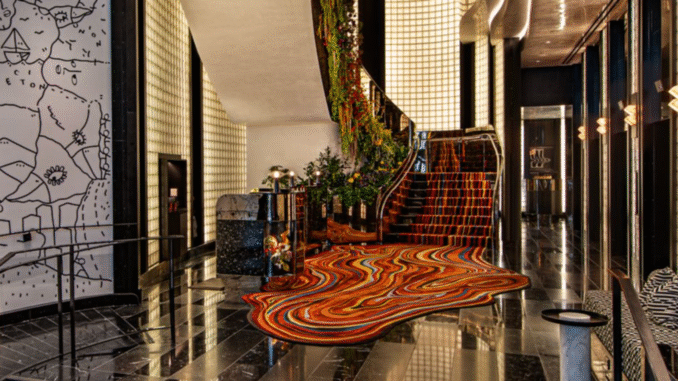
The W New York–Union Square, which is set to officially reopen next month following an extensive, multi-year renovation led by David Rockwell, replaces the high-energy party vibe with an environment driven by modern lighting systems, integrated acoustics, and digital infrastructure. The redesigned “Living Room” is no longer about late-night spectacle. Instead, it offers an environment where guests can recharge, meet, or work, supported by high-speed connectivity, seamless wireless charging and lighting that adapts to both productivity and relaxation.
In Budapest, the hotel has reimagined the iconic Drechsler Palace as an elegant meeting space that merges historic architecture with modern digital touchpoints. The property uses interactive projection and acoustics to create an atmosphere that feels contemporary while honoring its heritage. Guests are able to customize their experiences in ways that go far beyond traditional hospitality.
The shift is not limited to physical design. W Hotels is piloting in-room technologies that integrate with personal devices and wearables. Guests can sync Apple Watches, Oura Rings, or Fitbits to hotel platforms, enabling staff and systems to tailor recommendations around fitness, dining, or spa services. Room controls are increasingly centralized through mobile apps and tablets, where travelers can adjust lighting to match circadian rhythms, set guided meditation tracks, or even request AI-powered wellness advice. These systems transform the guestroom from a static environment into an adaptive one that responds to individual needs.
Music, long part of the W identity, is also being redefined through technology. The global W PRESENTS program, now in its third year, is expanding to more than 15 destinations in 2025, including W Maldives, W Punta Cana, and the renovated Union Square flagship. Curated by Global Music Director LP Giobbi, the series uses immersive audiovisual platforms to deliver performances that are as much digital art installations as they are concerts. The emphasis is on cultural connection and multisensory engagement rather than late-night revelry.
W’s transformation is part of a wider trend across hospitality. The new luxury traveler expects personalization, digital fluency, and wellness integration. AI-powered massage systems, smart recovery tools, and mobile-first control platforms are no longer fringe experiments. They are becoming essential features. Hotels that fail to invest in these technologies risk falling behind as guests increasingly measure value by digital convenience and holistic wellbeing.
By 2028, W Hotels plans to have updated 80 percent of its global portfolio. Each renovation is being designed not only around architectural authenticity but also with a focus on smart infrastructure that enables data-driven personalization. In practice, this means guest journeys that adapt in real time, from check-in to check-out. A guest’s wellness profile might influence everything from the lighting in their room to the programming suggested in the hotel’s app.
For W, the pivot marks a decisive break from its past image. The brand once defined itself by its proximity to nightlife culture. Today it is betting its future on the seamless integration of technology, wellness, and style. If successful, W Hotels may not only reinvent its own identity but also establish a blueprint for what luxury hospitality will look like in the second half of the decade: hotels that are digitally intelligent, wellness-centered, and culturally connected.
Related
link