How Material Choices Are Quietly Shaping the Future of Personal
An independent designer examines how material transparency and platinum silicone influence trust in long-term product design.
In recent years, product design has increasingly moved beyond aesthetics and functionality into deeper conversations around safety, sustainability, and long-term human interaction. One area where this shift is particularly noticeable is in the growing focus on material selection – not as a marketing claim, but as a foundational design decision.
Across multiple consumer product categories, designers are rethinking what it means to create objects intended for prolonged, intimate, or repeated contact with the human body. This has led to renewed attention on questions that were often overlooked in the past: What materials are truly body-safe? How do manufacturing processes affect durability over time? And how much do end users actually understand about what they interact with every day?
A Designer’s View from Inside an Ongoing Project
As a designer involved in an independent, still-evolving project focused on personal-use objects, I have seen firsthand how material discussions tend to surface naturally once users move beyond surface-level features.
Interestingly, many of the questions raised are not about appearance or performance, but about reassurance and trust. Users want clarity around how materials age, whether they release unwanted substances, and how different production methods impact consistency. These are not questions driven by trends, but by lived experience and long-term use.
Rather than positioning these concerns as selling points, our internal discussions have treated them as design constraints – factors that shape decisions before any visual or functional considerations come into play.
Why Platinum Silicone Keeps Appearing in Design Conversations
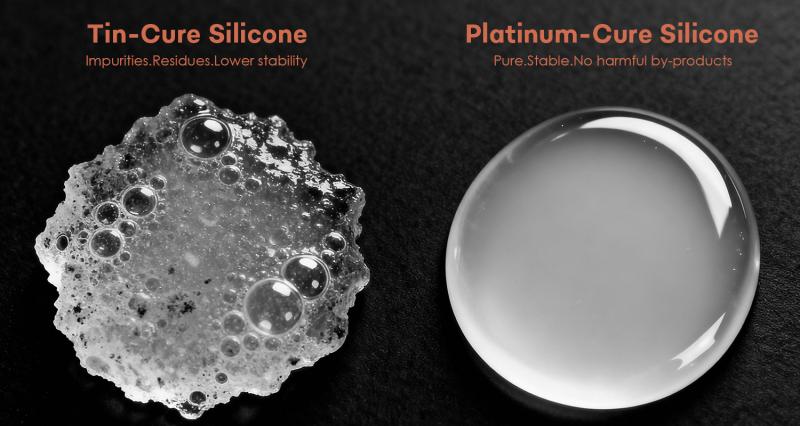
One material that frequently emerges in these discussions is platinum-cured silicone. From a design and engineering standpoint, its relevance is not accidental.
Platinum curing is a process that avoids many of the residual byproducts associated with alternative curing methods. For designers, this translates into greater predictability, structural stability, and confidence when creating objects meant to maintain their properties over time.
What is often overlooked is that the choice of such materials rarely simplifies production. In many cases, it introduces higher costs, tighter manufacturing tolerances, and more stringent quality control requirements. Yet, for projects that prioritize longevity and user trust, these trade-offs are increasingly viewed as necessary rather than optional.
Design as an Ongoing Dialogue, Not a Finished Statement
One of the more unexpected outcomes of focusing on material transparency has been the way it opens dialogue rather than closes it. When users are given clear explanations instead of simplified claims, they tend to ask more thoughtful questions – about proportions, textures, firmness, and comfort.
This feedback loop has reinforced the idea that certain projects function less like traditional product launches and more like ongoing design conversations. Decisions are revisited, assumptions are challenged, and improvements emerge incrementally rather than through sweeping redesigns.
For those interested in how material standards and platinum silicone are evaluated within this context, a publicly available background page outlining these considerations can be found here:
https://jocktribe.com/pages/why-jocktribe-uses-platinum-silicone
Looking Ahead
As consumer expectations continue to evolve, material literacy is likely to become an increasingly important part of product design across many industries. Transparency, once treated as a differentiator, may soon be regarded as a baseline requirement.
From a designer’s perspective, this shift is less about compliance and more about respect – for the user, for the object’s purpose, and for the long-term relationship between the two. The conversations around materials, proportions, and comfort are far from settled, and that may be precisely where meaningful design progress begins.
Independent Design Research Project
Press Contact: Roger
Email: [email protected]
Telephone: +852 5249 2763
700 Nathan Road, Mong Kok, Hong Kong
This is an independent, materials-focused design initiative centered on understanding how material choices influence long-term user trust and product longevity.
The project brings together designers and researchers with backgrounds in product design, manufacturing, and material evaluation. Rather than operating as a commercial brand announcement, the initiative functions as an open design exploration, examining how production methods, material standards, and transparency impact real-world use over time.
Its scope includes research, documentation, and ongoing dialogue around human-centered design decisions, with particular attention to materials intended for repeated and prolonged contact. The project remains active and evolving, shaped by continuous feedback and observation rather than fixed commercial objectives.
This release was published on openPR.
link