Ken Wenrui Zhao: Bridging graphic design and filmmaking through found images and digital explorations
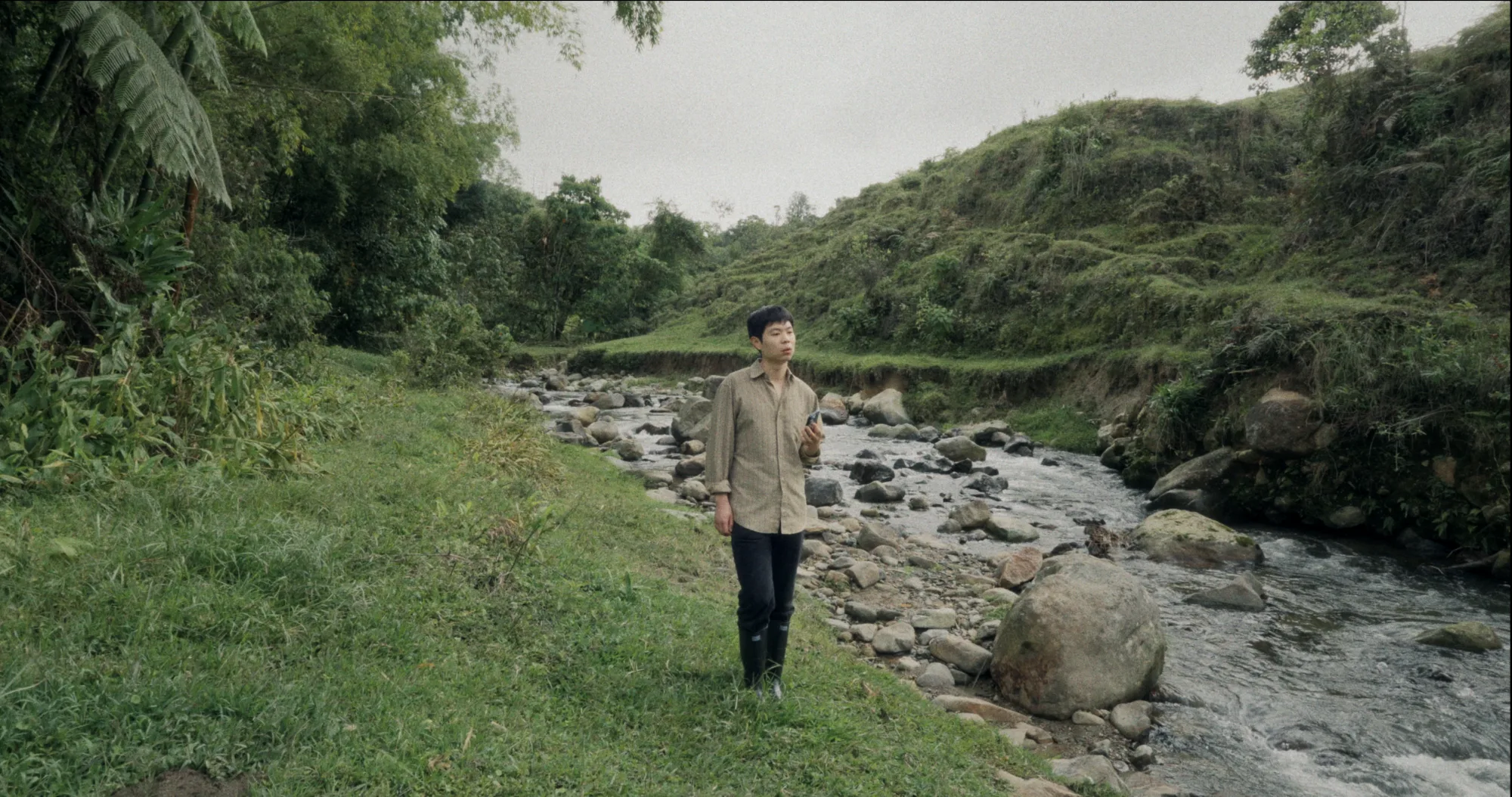
New York-based graphic designer and video artist Ken Wenrui Zhao, originally from China, is carving a unique space for himself by seamlessly blending the worlds of visual communication and moving images. With a focus on publication design, branding, and exhibition design, Zhao’s work is characterised by its innovative use of found imagery, thoughtful typography, and exploration of contemporary themes.
Zhao’s process often begins with an intriguing collection of found images sourced from magazines and books. These materials are then photocopied, scanned, and rearranged, forming the foundation for his layered and meaningful compositions. He is deeply interested in the interplay between text and image, exploring how they can work together in unexpected ways to shape the audience’s experience.
“I spend a lot of time considering how typography and imagery interact—not just aesthetically, but how they can complement or challenge each other,” Zhao explains.
The impact of acclaimed French photographer Chris Marker’s seminal film, Sans Soleil, was a pivotal moment in shaping Zhao’s artistic vision. Witnessing the film at the Metrograph cinema, he was struck by the powerful combination of personal storytelling, poetic visuals, and the interplay of text and image. “It showed me how personal storytelling, poetic visuals, and the interplay of text and image could come together in such a powerful way,” he recalls. This revelation has become a guiding principle in his work, informing his approach to everything from photo books to visual identities.
Inspired by designers like Paul Elliman and Julie Peeters, Zhao also explores materiality and recontextualisation in his work. For him, design is a constant exploration of the relationships between text, image, and meaning, inviting the audience to engage with subtlety and interpretation.
Zhao’s portfolio is diverse, encompassing graphic design, video art, and website development. He has collaborated with renowned artists and published books with artists, galleries, and museums. He has also designed websites for fashion designers, artists, and galleries. As a video artist, his work has been exhibited in Mexico, The Netherlands, Italy, and the US. Recently, he rebranded the website for the Hesse Flatow Gallery, showcasing his commitment to supporting and elevating the work of others.
This multifaceted approach prompts the question: How do graphic design and video cross over in unexpected ways in Zhao’s work?
“To me, graphic design and video are both about sequencing,” Zhao explains. “Whether it’s the way a book unfolds or how an edit shapes time and rhythm. They’re different mediums, but they share a deep concern for pacing, layering, and narrative construction. I often treat typography like a moving image, using it to build atmosphere or tension. Similarly, in my video work, I think like a designer—framing, arranging, and composing with an eye trained by static layout.”
Diving into his recent video works reveals Zhao’s exploration of complex and timely themes.
One notable project, Visitación, delves into mythology, obsession, and the act of looking. Structured as a film within a film, the narrative becomes increasingly fragmented, mirroring the main character’s descent into uncertainty. Another piece, The Beaneater, employs deepfake technology and AI-generated scripts to question authorship and the performance of identity online. Zhao notes that these works grapple with dislocation, failure, and the tension between fact and fiction—recurring themes that resonate throughout his practice.
Zhao’s journey into filmmaking has been a gradual but deliberate process. He began with experimental short films and video installations, gradually moving towards narrative structures through essay films and multi-channel video. He has also collaborated with artists and curators to produce screen-based pieces that blend documentary, fiction, and visual poetry.
In an era dominated by short-form video content on platforms like TikTok and Reels, where does video art stand? Zhao acknowledges the unique challenges this landscape presents.
“We’re in a strange moment where everyone is a video-maker,” he observes. “Platforms like TikTok have democratized access to editing tools, which is exciting—but also presents a challenge. As a video artist, you’re constantly negotiating the space between experimentation and legibility. I’m interested in slowing things down, creating spaces where viewers linger rather than scroll. That tension—between the language of the algorithm and the poetics of resistance—is very present in my work.”
Zhao’s unconventional approach extends to his combination of text and visuals. He embraces fragmentation, often pairing a sentence from one source with an image from a completely different time or medium to create friction or resonance. His collection of printed matter spans a wide range of eras and styles, including 1970s fashion magazines, obscure academic journals, vintage type specimens, and mass-market photography manuals. He finds particular inspiration in the visual contradictions of the late 60s to early 90s. “I’m drawn to the way printed matter can be both intimate and archival, like time capsules that still speak to the present,” he says.
One example of his creative approach is the campaign he created for Gallery Girl for KAP COMPANY. As Zhao explains, “That campaign was a playful take on internet celebrity and self-branding. Gallery Girl is a fictional influencer with a mysterious backstory, and the visuals combined glossy editorial aesthetics with cryptic text snippets. I was thinking a lot about persona, performance, and the aesthetics of aspirational media. It was part satire, part love letter to the absurdity of online image culture. The whole campaign lived across social media, zines, and even merch—blurring the lines between promotion and meaning-making.”
Zhao reflects on the role of entrepreneurship in his success as a graphic designer and artist.
“I think being entrepreneurial means being resourceful,” he says. “It’s not just about selling something—it’s about creating structures that support your own work and others’. Whether it’s self-initiated publications, exhibition design, or collaborations with galleries, I’m always looking for ways to build connections and keep projects moving. That mindset has helped me navigate both the art and design worlds on my own terms, without waiting for permission.”
Ken Wenrui Zhao’s work is a testament to the power of combining diverse skill sets and embracing unconventional approaches. His dedication to exploring the relationships between text, image, and meaning, coupled with his entrepreneurial spirit, positions him as a compelling voice in the contemporary art and design landscape.
link