Product designer Eric Wu on the convergence of design and artificial intelligence
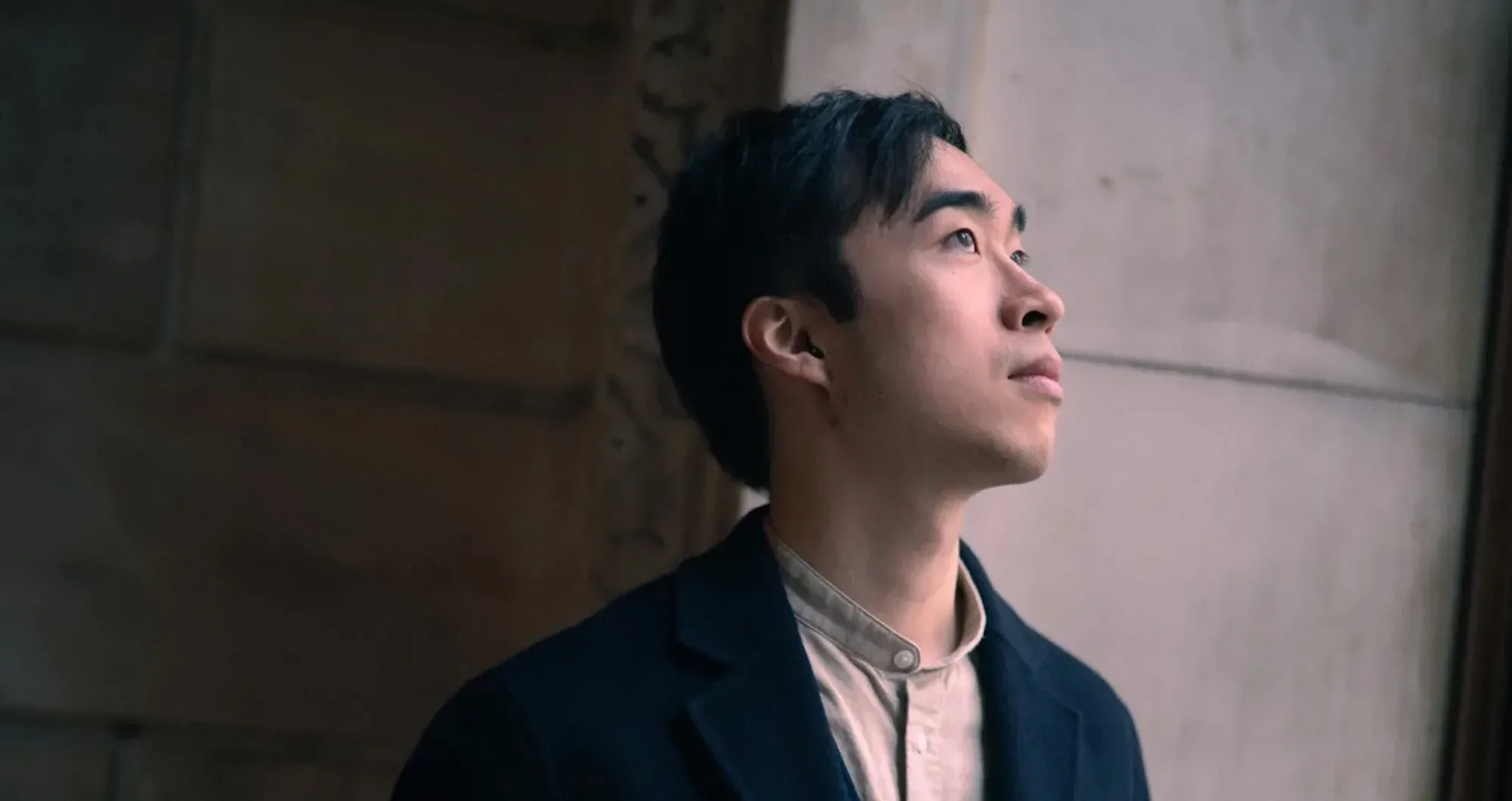
Artificial Intelligence (AI) is the hot button topic of the moment. This is especially true for the realm of UI/UX design, where the debate on where they stand in the field of AI is ongoing. Placed at this unique crossroads is Eric Wu, an award-winning product designer at Seek AI, who looks into the future of how his profession will look moving forward.
Eric Wu, a graduate of the Rhode Island School of Design (RISD), has been instrumental in Seek AI’s rise to prominence. Nominated for UX Design Awards for his design of Seek AI and winning A’ Design Award for his work on Cobble, an interactive speaker, his career has charted a path of success. This success has been mirrored by his employer Seek AI who he has helped to become one of Business Insider’s top startups of 2023.
“Some would argue that as AI becomes more powerful, inevitably design would merge in the direction of conversation design and there would be less place for UI/UX designers,” he begins.
While chatbots such as ChatGPT have gained massive popularity, Wu believes the future is more nuanced than a complete monopoly of conversational interfaces.
Looking beyond the chat aspect, the product designer believes that the past UX frame will get resurfaced in new manners.
“For instance, while typing and dictation are extremely efficient ways of note taking today,” he explains, pointing to the maintained popularity of digital papers and note-taking apps in the student community, “the fundamental affordance of handwriting remains valuable to us as humans, so even as AI becomes more powerful, I expect people to become more aware of the types of interactions they would be willing to sacrifice.”
Given the restructuring of the role, Wu believes it is one that has expanded. The augmentation of possibilities thanks to AI tools has led to a deeper understanding of the effect product design has on other aspects of a company.
“I could ask my AI assistant to act as a product manager, walking me through the product requirement document procedures,” Wu says, “but that does not make me a product manager, nor can designers suddenly fulfil both roles.”
It is the mere understanding that helps to provide deeper context and thus a higher level of collaboration.
This collaboration, Wu believes, will go hand in hand with product designers’ continued education in the fields of business and engineering.
“At the beginning of each project I enquire about the engineering constraints,” he states,
always believing in working towards a middle ground. It is this very middle ground that will imbue the design community going forward adding further impact to their work.
Currently in the early stages of the AI boom, so to speak, it is hard to determine the direction it will go in the future. Wu believes there are two different avenues it can take.
“The first option is blurring the line between AI and non-AI action to provide users a more seamless experience,” he says.
This would essentially bring AI into the “real world” letting it help to run our daily lives in a productive manner.
“The other option is it turns into more of a tool than an entire application,” in this scenario, AI is less prolific, remaining something that augments certain industries but is not ubiquitous. Either way Wu states, “I expect that AI applications will become a lot more diverse in their approaches as more industries and enterprises adopt AI solutions.”
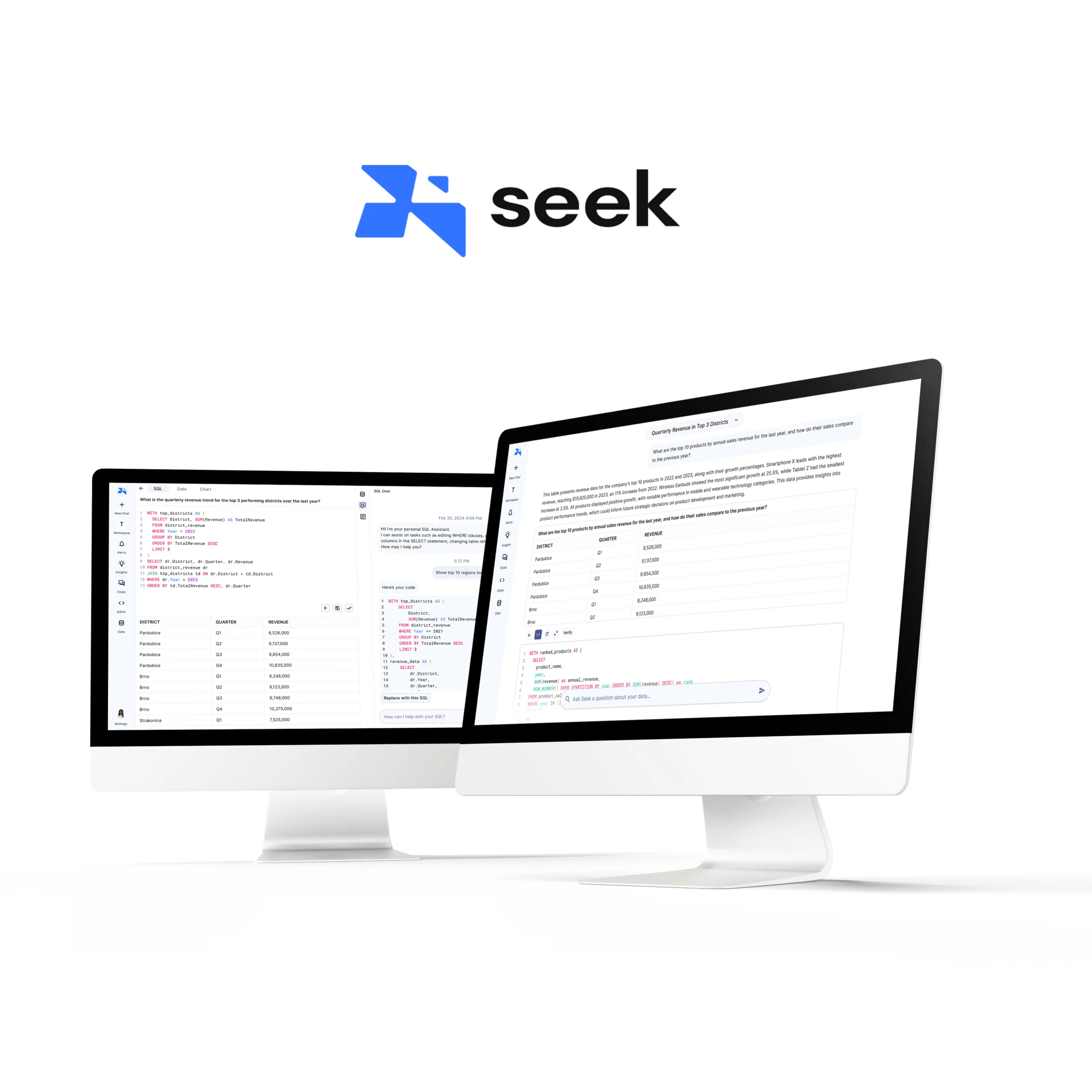
Building this into his own designs at Seek AI, the product designer created a cohesive experience for those using the app.
“I spent lots of time thinking about the best way to combine a free-flowing chat with something as precise as a code editor.”
Wu’s careful consideration of the user’s needs and behaviour allowed him to strike a balance between flexibility and precision. It is this very adaptability he believes to be the cornerstone of UX design moving forward.
His work relies on careful planning and a distinct organisation system. Collecting inspiration and storing it to look back on when approaching a new project or redesign.
“For anything that is strictly related to product design, I separate files by features or touchpoints and create separate pages for them.”
This gives Wu the ability to go back to specific ideas he has had and build upon his own design structure.
“I think for UI/UX design it is crucial to keep a design organisation system that mirrors the development process.”
Once again Wu points to the need for product designers to be able to communicate in an efficient manner. This will only increase as the AI continues to advance allowing those who run companies to believe they can bypass the need to hire a product designer.
The conversation surrounding AI and UI/UX design is far from over. Eric Wu’s insights offer a compelling route for those within his industry to follow, a counterpoint to the prevailing narrative of AI dominance. As we move forward, we walk a fine line between automation, and human input, and Wu hones in on the aspects of our lives we are unwilling to give up. The coming years will undoubtedly be a period of rapid change and innovation, they will help us define the future generation of professionals in many industries, perhaps none more so than product designers.
link